March 4, 2026
Endling, by Maria Reva
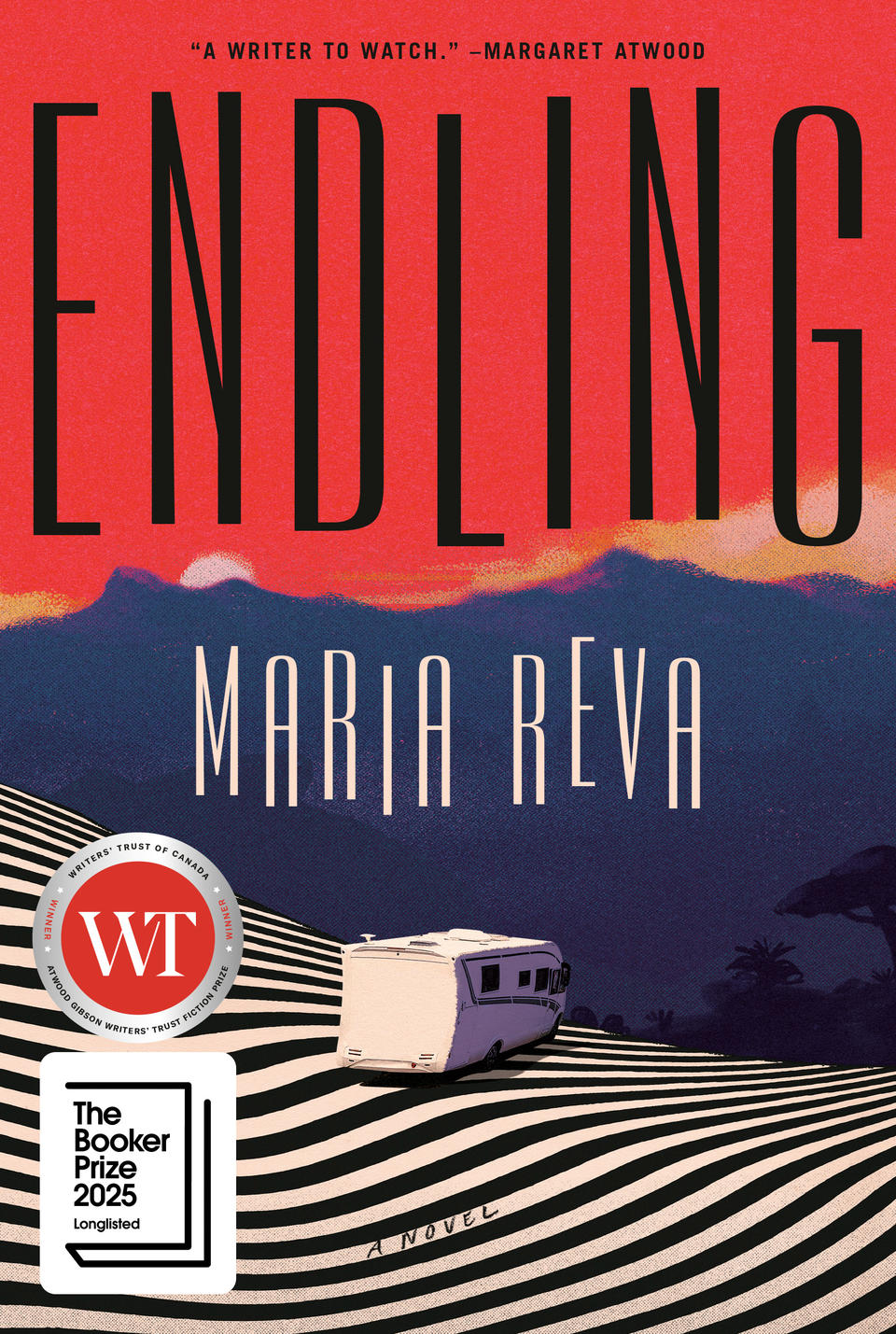
I was going to write something about how I was a co-juror for the 2022 Kobzar Book Award, a prize for Ukrainian-Canadian literature, and vividly recall how much more viscerally I felt the Russian invasion of Ukraine that February for having been just steeped in stories of Holodomor and less abjectly genocidal elements of Soviet Ukrainian life as per Maria Reva’s first book, Good Citizens Need Not Fear, which would take the top prize. I remember how the ceremony had to be moved online due to ongoing pandemic reasons, and how shattered the award’s organizers from the Ukrainian-Canadian community were by what was happening in the country whose culture we were celebrating, how the whole thing was devastating and just so profoundly tragic and sad. (And four years later, Ukraine still fights. Having been steeped in those stories, I’m not surprised by this either, just heartbroken.)
But then what does it mean to consider experiencing a war from worlds away? Do any feelings, however visceral, matter at such a distance? What it means to have a thousands of tanks roll into a sovereign nation and interrupt your plans, if your plans happen to be an awards ceremony in Edmonton? Or a novel you’re writing in Vancouver, in case of Reva herself, or at least her proxy in the novel Endling, which is just a wild and wonderful experience and an experiment in what a novel might possibly contain.
Endling is about a snail scientist in Ukraine who funds her mobile lab by working as a potential bride for international suitors who arrive in the country on romance tours, though she has no interest in romance herself. This work brings her into a contact with a pair of sisters who are hatching a plan to kidnap a bunch of the bachelors as part of a campaign to attract attention from their long lost activist mother, and they pull it off just as the Russians are invading Ukraine, turning the country into a war zone. And here the novel veers into a wild meta-narrative of the author’s own fiction being disturbed by war in the very place she’s writing about, this narrative weaving in and out of the broader story in an unsettling and fascinating way.
What is fiction? What can fiction do? What does it mean to suppose we can control any narrative at all?
Endling unsettles in the very best way.