February 11, 2026
The Barn, by Wright Thompson
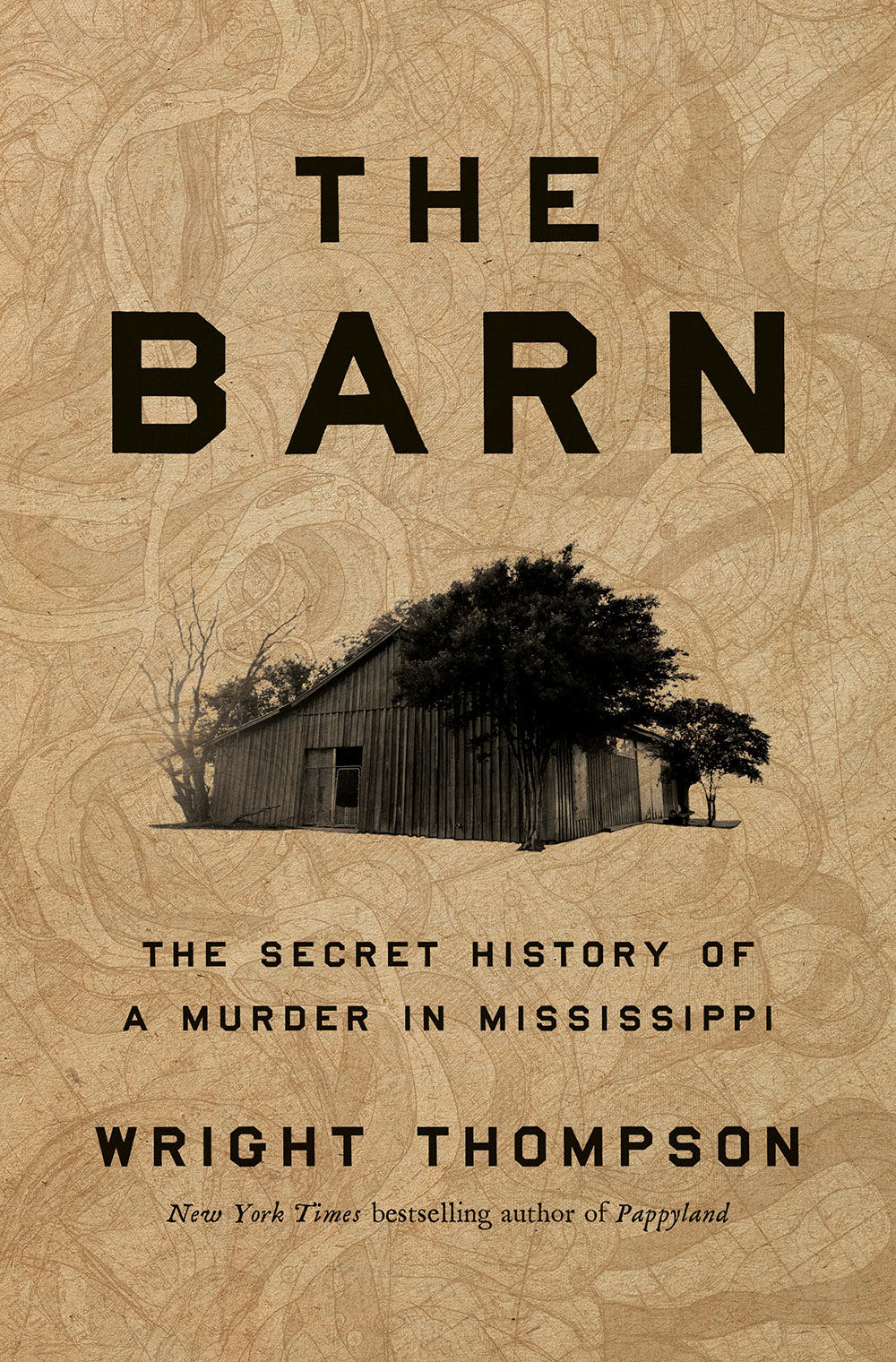
After hearing Wright Thompson—a white sportswriter from Mississippi—on The Bulwark Podcast, I absolutely had to get my hands on his book The Barn: The Secret History of a Murder in Mississippi, which is on one level about the 1955 murder of Emmett Till, a 14 year old Black boy lynched after apparently whistling at a white woman that summer when he was down south visiting his cousins. But which is also about America all told through the history of a thirty-six square mile area in the Mississipi Delta that was—not randomly in the slightest, but instead as a result of its land, its people, its politics, its history, its mythology—where Emmett Till (a child whose family called him Bobo, one of the silly nicknames I’ve given my own children) was murdered in a barn in earshot of plenty of people who did nothing to help. A barn that still stands today, where the property owner stores his Christmas decorations, and he had no idea that Till had been killed there. So many people in the Mississippi—Thompson among them for a very long time, whose family had been farming on nearby land since 1913—never knew the story of Emmett Till at all, and Thompson points out the strangeness of a culture build on remembrance managing to forget so very much.
Thompson never mentions the song in his book, but I’ll never hear Arlo Guthrie singing about the rhythm of the rails ever again without thinking about how Emmett Till rode the Illinois Central line that summer, The City of New Orleans, and came back home the same way in a casket that his mother insisted remain open at his funeral so that everyone could see what the murderers had done to her child. Emmett Till was America’s native son, a product of a terrible and violent history that endures to this day and whose patterns continue with state-sanctioned violence in Minnesota and an establishment that will stop at nothing to maintain their place in a hateful caste system. (He was more than a symbol though, he was also a boy, Mamie Till-Mobley’s son, and Wheeler Parker’s cousin, and his family has worked to keep the memory of his life and the tragedy of his death alive, to make it all mean something.)
There is no then and now in Thompson’s storytelling, instead everything happening at once, layers upon layers of meaning and time, Thompson peeling back the layers to let light shine into the darkness. This is one of the most beautiful, powerful and heartbreaking books I’ve ever read, galvanizing and absolutely necessary.







I’m afraid to read it. Do I want to do it to myself right now? Heartbreak, I do not need. Beauty, joy, truth: yes please. Will keep this book in mind. -Kate