March 9, 2026
Telephone, by Percival Everett
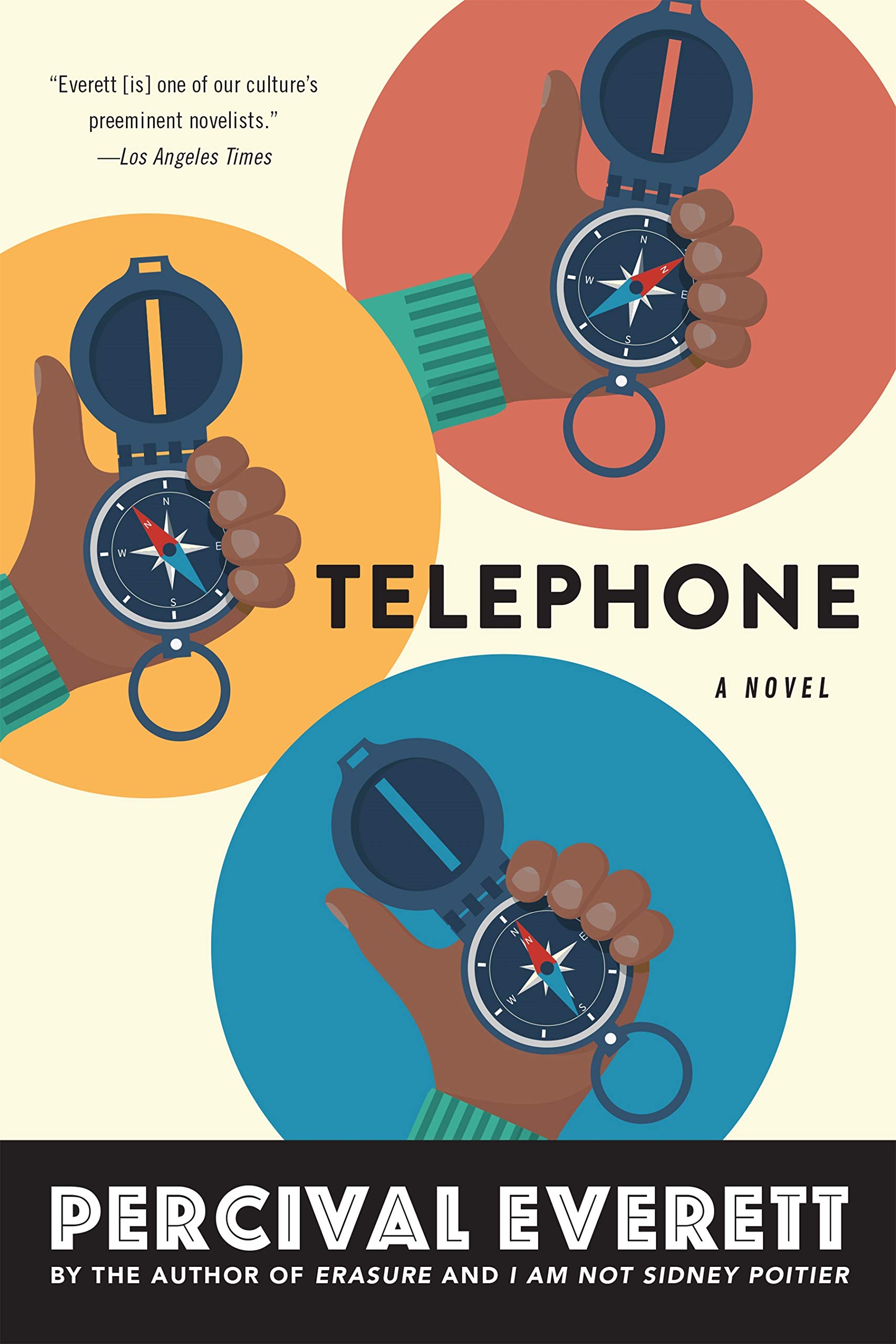
I’ve been wanting to read more by Percival Everett since reading Maris Kreizman’s note that “as his major publisher debut, James feels so falsely profound that I have to wonder if Everett is fucking with us. I wouldn’t put it past him and I’d respect him all the more…” Having seen American Fiction, the film based on Everett’s novel Erasure, I don’t think such a idea would be so shocking. And so I finally picked up Telephone, published in 2020, famously published in three different versions, with subtle variations, just to underline that no two people are ever really reading the same book anyway, and underlining the novel’s considerations and questions about actions and outcomes, truth and consequences.
Telephone is about a geologist/paleobiologist who digs deep in his job, but leaves depths unplumbed in his personal and emotional life, which makes things extra strained and complicated when his twelve-year-old daughter is diagnosed with a debilitating neurological disease that has no cure or treatment. Meanwhile he’s negotiating fraught dynamics with women in his workplace, and preoccupied with written cries for help appearing on scraps of paper tucked into the pockets of used clothing he’s buying from an online seller. Is there anybody he can save?
The narrator’s reserve means that this novel about a man witnessing his child’s terminal decline is nearly bearable, but also means that the reader needs to reach far to understanding what might be going on being this story’s surface of reticence, such spareness. Nothing is quite what it seems in this novel, underlining Maris Kreizman’s thesis. It’s true that to read fiction at all is to open oneself up to be fucked with, but it seems like Percival Everett might have a knack for making this into an art form.






