January 14, 2026
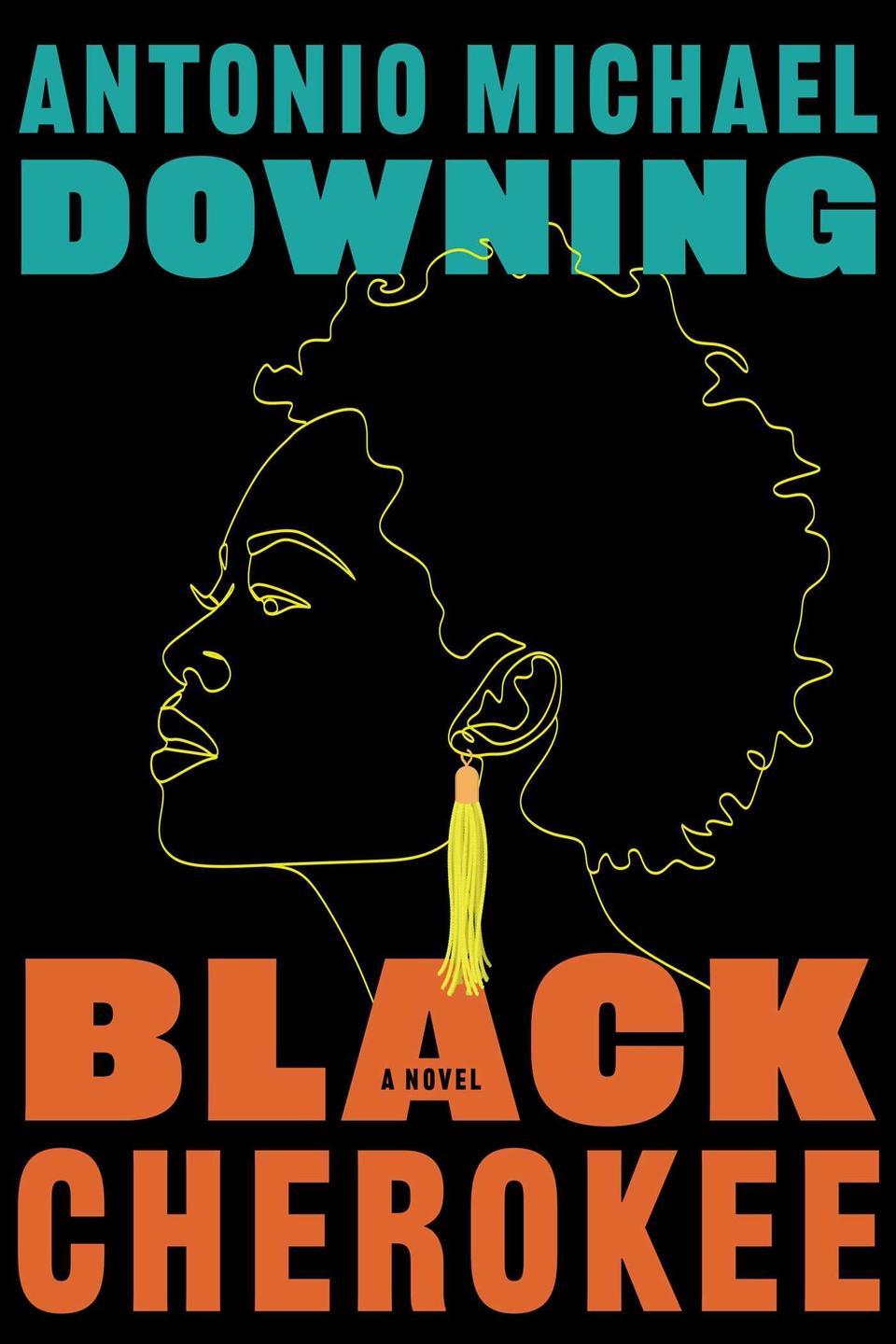
Black Cherokee, by Antonio Michael Downing
“If casting out our Ophelias wounds us, we can only become whole by restoring them. By making room for the possibility of transcendence. Of being both. Of being beyond both.” —Antonio Michael Downing
Okay, buckle up, because Antonio Michael Downing’s Black Cherokee is a novel with a voice, a voice that conveys the story of Ophelia Blue Rivers with the swiftness and drive of the very river that runs through the town of Etsi, skirting the property belonging to Ophelia’s grandmother, Grandma Blue, who has the same name as Ophelia, the same name as the first Black baby in Etsi generations ago (but not so many generations ago). Etsi—which means “mother” in Cherokee language—is a fictional community in South Carolina, home to Black and Cherokee communities that live together, but also apart, Grandma Blue and her late husband Chief Trouthands becoming the exception to that rule when they fell in love. But after Chief Trouthands dies, the rest of the community—against Grandma Blue’s advice—is persuaded to disband, their land sold to rich white men of industry, and now the river is polluted. The story following Ophelia Blue—who is neither Black nor Cherokee, but instead half of each and “all mixed up”—from her early childhood in Etsi, to the Black church evangelical community from which she tries to find belonging, to her experiences as a student enrolled in a special program for bright Black students at an otherwise all-white high school, and finally to her life on the cusp of adulthood and autonomy as she is finally forced to take a step on her own journey, instead of one that seems set out for her on the basis of who she is or isn’t or who her family was.
Sweeping, funny, poignant, and honest, full of music and magic and butterflies, Downing’s narrative shimmers, sings, and shines, transcends and delights. A beautiful feat of imagination and possibility, I really loved this book.






